Solo Rust or running with a clan is better for learning the game and keeping your loot
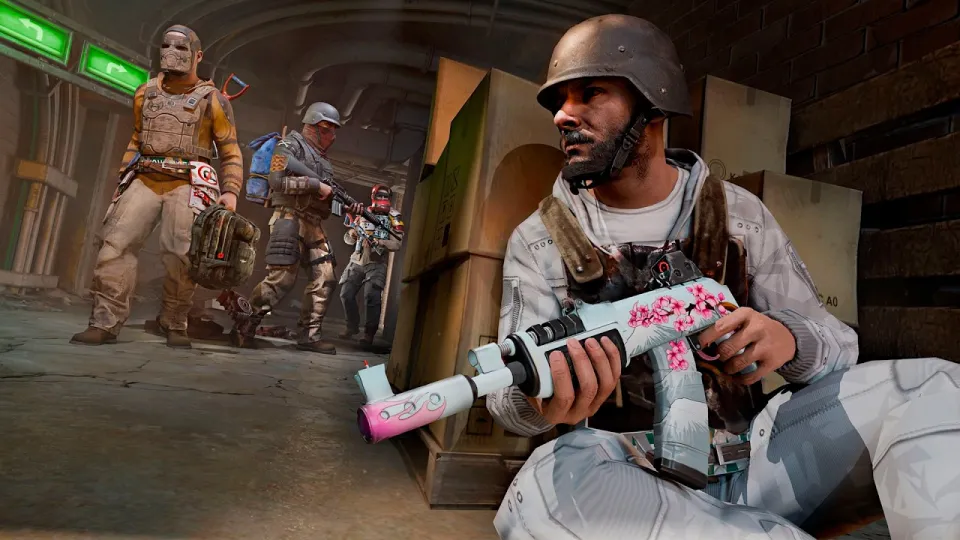
Video: THE SOLO MENACE – Rust
Need articles like this for your video? They help promote it on YouTube and Google — order them in the Telegram bot @sat_sit_bot. It writes articles around your video, embeds the video and publishes them on popular niche websites (no ads). Your first 50 articles are free.
· based on the channel SPiiCY
Key takeaways
- Solo Rust trades manpower for stealth: one player, one base, no one to split loot with.
- A solo player typically reaches a full kit and a starter base in the first few hours of a wipe, while clans flood the map faster but split profits.
- Raid defence is the hardest part of solo play: an offline raid on a one-player base is the most common way a solo wipe ends.
- SPiiCY's 'THE SOLO MENACE' video, published on 24 August 2026, is built around solo survival, revenge raids and PvP roams.
- Base design matters more for solos than for groups, because traps and layered doors replace extra defenders.
Solo Rust is the better teacher and the harder test, while clan Rust is the faster route to loot and map control. If you want to actually improve at the game — aim, building, decision-making under pressure — playing alone forces every skill onto you; if you want big raids and quick progression, a group does it with less risk. SPiiCY's solo run in THE SOLO MENACE is a good illustration of the first path, and you can grab the bonus tied to the video through the RustEasy bonus page before you start your own wipe.
What solo Rust actually demands from a player
Solo Rust demands that one player cover every role at once: farmer, builder, scout, raider and defender. There is no one to watch the door while you smelt, no second set of eyes on a roam, and no clanmate to craft a replacement kit after you lose one. That compression is exactly why solo play improves players quickly — you feel every mistake immediately, because there is nobody to absorb it.
The practical consequences are concrete:
- Progression is slower but cleaner. A solo farms what they need and keeps all of it; a clan farms more in total but splits the output.
- Every fight is a commitment. Without a teammate to pull you out, a bad engagement costs a full kit.
- Stealth replaces numbers. Quiet routes, night moves and avoiding zerg-heavy monuments are standard solo habits.
- Revenge is a strategy, not a tantrum. Tracking who raided you and hitting them back when they are exposed is one of the few ways a solo can punch upward.
Why base design decides a solo wipe more than aim
Base design decides whether a solo player logs in to a working base or an empty shell, because traps and layered doors do the job that extra defenders do for a group. A solo cannot hold a door against four players, so the base has to slow attackers down, hide the good loot and make the raid expensive enough that it is not worth finishing.
The elements that matter most in a solo build:
- Layered entry. Several doors or walls between the outside and the loot room, so a small raid group burns explosives for little return.
- Trap rooms. Shotgun traps, flame traps and false corridors turn a rushed raid into a costly one.
- Decoy loot rooms. A visible, cheap-to-reach room with mid-tier loot often ends a raid before the real core is touched.
- Compact footprint. A small base is harder to spot, cheaper to maintain and easier to seal after a break-in.
SPiiCY's base work is a recurring theme in the community around the channel, and viewers regularly ask for the build from the video to be shown step by step — which is why the creator points people to a dedicated base design tutorial rather than explaining it in the middle of a PvP edit.
How a solo player handles zergs and groups
A solo beats a zerg by never fighting the zerg on its terms: pick off stragglers, hit farms, and avoid the open field where numbers decide everything. Groups move in packs, communicate on voice and rotate together, so the solo's advantage is timing — catching one member separated from the rest, or hitting a base while the owners are away on a raid.
Useful habits for solo versus group play:
- Watch rotations before you shoot. One kill on a group member often brings three more; make sure the fight is worth the attention.
- Use terrain and cover. Rocks, trees and buildings break line of sight and force a group to spread out.
- Take the loot and leave. Standing over a body to sort a full inventory is how solos die to the second player arriving.
- Hit farms, not fronts. A zerg's sulfur and scrap flow is its weak point, and a farm is easier to ambush than a main base.
Typical questions from solo players
Solo players most often ask how to keep a base alive offline, how to progress without a group and whether solo play is viable on high-population servers. All three come down to the same answer: reduce what you can lose and increase what an attacker has to spend.
- Offline protection. Spread loot across small stashes and secondary bases; a single core room is a single point of failure.
- Progression without a group. Target low-traffic monuments, farm at off-peak hours and trade scrap for blueprints rather than gambling on contested crates.
- High-pop servers. They are viable solo, but expect constant traffic near monuments and build away from spawn roads and popular raid routes.
- Revenge raids. Keep notes on names and base locations; a raid that lands while the owners are offline is the solo's version of a fair fight.
Tools and links mentioned around the video
Performance and building tools matter more for solos than for groups, because a solo has no margin for stutter in a 1v1 and no clanmate to rebuild a broken design. The creator's setup links are collected here:
- RustEasy bonus and registration
- Base design tutorial and membership
- Hypertune FPS tool
- Patreon join page
- Discord community
Viewers frequently report frame gains from the FPS tool, and the base design tutorials are the most requested content in the comments — a sign that solo players care as much about the build as about the aim.
Conclusion
Solo Rust is the harder mode and the better school: it forces you to farm, build, fight and defend without a safety net, and it punishes every lazy decision. Clan play is faster and more forgiving, but it hides weaknesses that solo play exposes immediately. SPiiCY's THE SOLO MENACE breakdown shows what that looks like in practice — revenge raids, tight base design and PvP roams with no backup. If you are starting a solo wipe, begin with the RustEasy bonus page and build small before you build big.
FAQ
Is solo Rust actually viable on a high-pop server?
Yes, but the rules change: avoid the busiest monuments, build away from spawn roads and keep your loot spread across more than one container. A solo survives on high-pop by being uninteresting to raid, not by winning every fight.
How do I stop getting offline raided as a solo?
Make the raid expensive: layer your entry, add trap rooms and put a cheap decoy room in front of the real core. Spreading loot across small bases and stashes also means one successful raid does not end your wipe.
What is the fastest way for a solo to progress through blueprints?
Farm low-traffic monuments at off-peak hours, recycle everything you do not need and spend scrap on the blueprints that unlock your core kit first. Avoid contested crates until you can defend the loot on the way home.
Should a solo player bother with revenge raids?
Yes, when they are planned rather than emotional. Tracking who raided you and hitting them while their attention is elsewhere is one of the few ways a single player can take value back from a larger group.
Questions & answers
Is solo Rust actually viable on a high-pop server?
Yes, but the rules change: avoid the busiest monuments, build away from spawn roads and keep your loot spread across more than one container. A solo survives on high-pop by being uninteresting to raid, not by winning every fight.
How do I stop getting offline raided as a solo?
Make the raid expensive: layer your entry, add trap rooms and put a cheap decoy room in front of the real core. Spreading loot across small bases and stashes also means one successful raid does not end your wipe.
What is the fastest way for a solo to progress through blueprints?
Farm low-traffic monuments at off-peak hours, recycle everything you do not need and spend scrap on the blueprints that unlock your core kit first. Avoid contested crates until you can defend the loot on the way home.
Should a solo player bother with revenge raids?
Yes, when they are planned rather than emotional. Tracking who raided you and hitting them while their attention is elsewhere is one of the few ways a single player can take value back from a larger group.
Source: THE SOLO MENACE – Rust · Markdown version